Modesto highlight
Classic car / cruising heritage
Modesto became synonymous with car cruising culture and classic automobiles through American Graffiti and the city's ongoing celebration of that heritage.
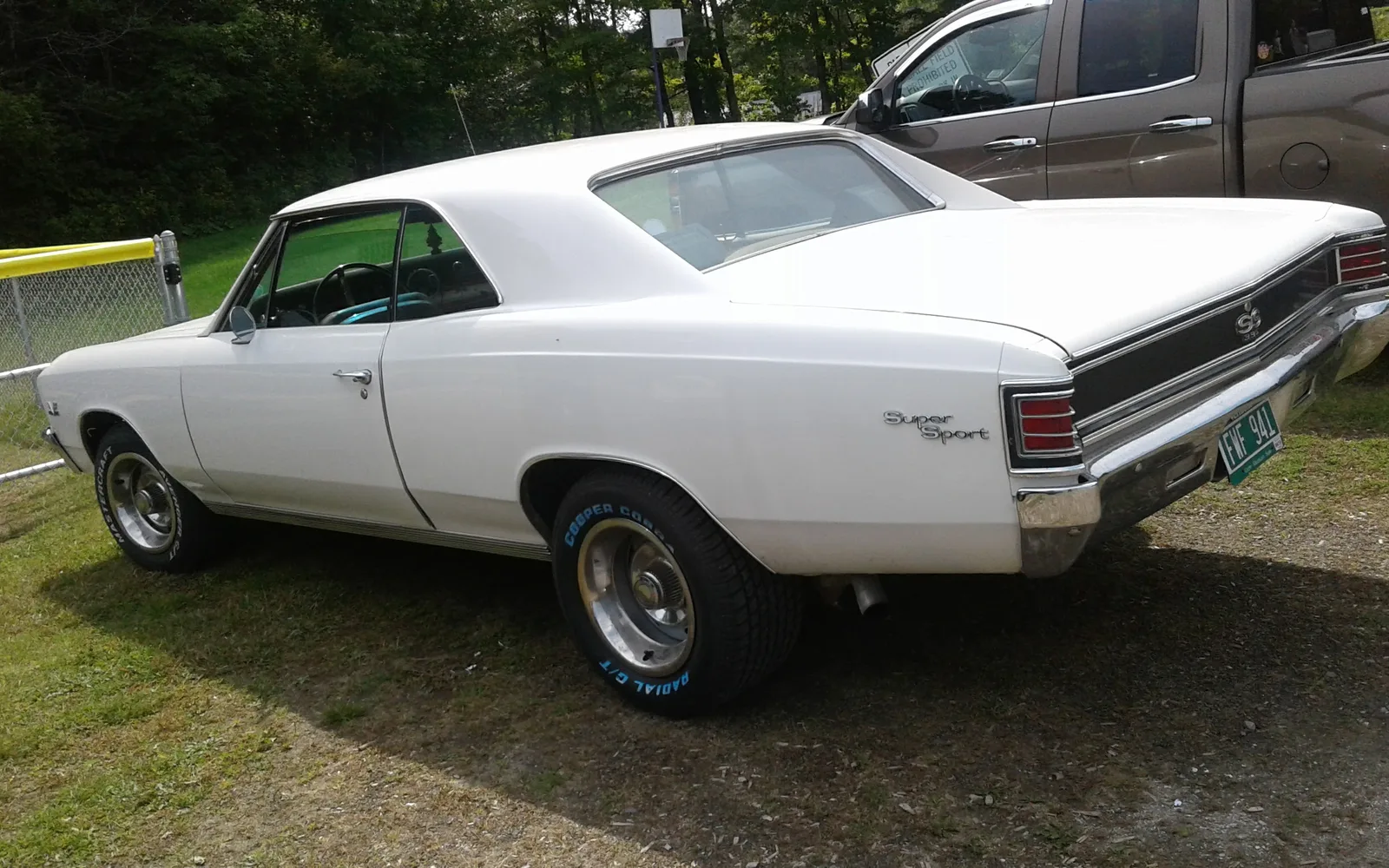
Before American Graffiti, Modesto was already known to car enthusiasts as a cruising destination. Main Street was where teenagers and young adults gathered, saw and were seen, moved from one end of town to the other, and returned. The ritual of cruising—the social choreography of parking lots, drive-in restaurants, and the street itself—was a defining feature of mid-century youth culture in the city. When George Lucas filmed the concept, he was documenting a way of life that had already begun to fade.
The film's release transformed Modesto's self-image and made the city a destination for car collectors and enthusiasts. Classic cars from the 1950s and 1960s, the era depicted in American Graffiti, became associated with Modesto's identity. The city now hosts annual events celebrating cars and the era's culture, drawing visitors who come to see the setting of a film that defined a generation's memory. The car community, both collectors and everyday drivers who care for older vehicles, remains part of Modesto's character.
The cars in the film—each one a character in the story—show that what we own and how we use it says something about who we are. A young person's first car, a collector's restored classic, or the family vehicle that carries a household through the years all represent choices and responsibilities. Life insurance works the same way: a choice made in one season, reflecting what matters today, carrying the household through tomorrow.